


 Tiếng Việt
ENGINEERED WOOD FLOORING: WHAT IS IT? ADVANTAGES, STRUCTURE, AND REASONS TO CHOOSE
27/08/2025 1525
Engineered wood flooring is one of the most popular choices among families, architects, and contractors thanks to its combination of natural beauty and high stability. In this article, we’ll take a closer look at what engineered wood flooring is, its detailed structure, advantages, and current usage trends.
What is engineered wood flooring?
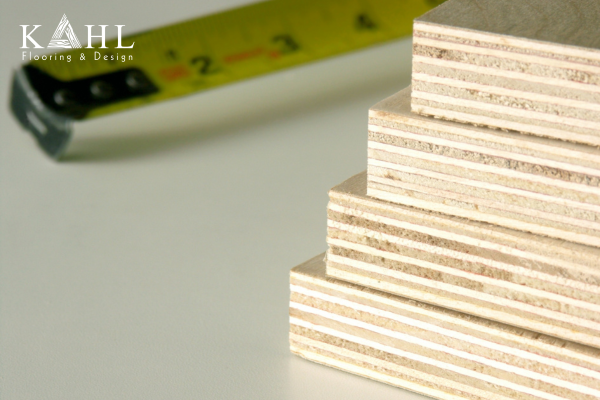
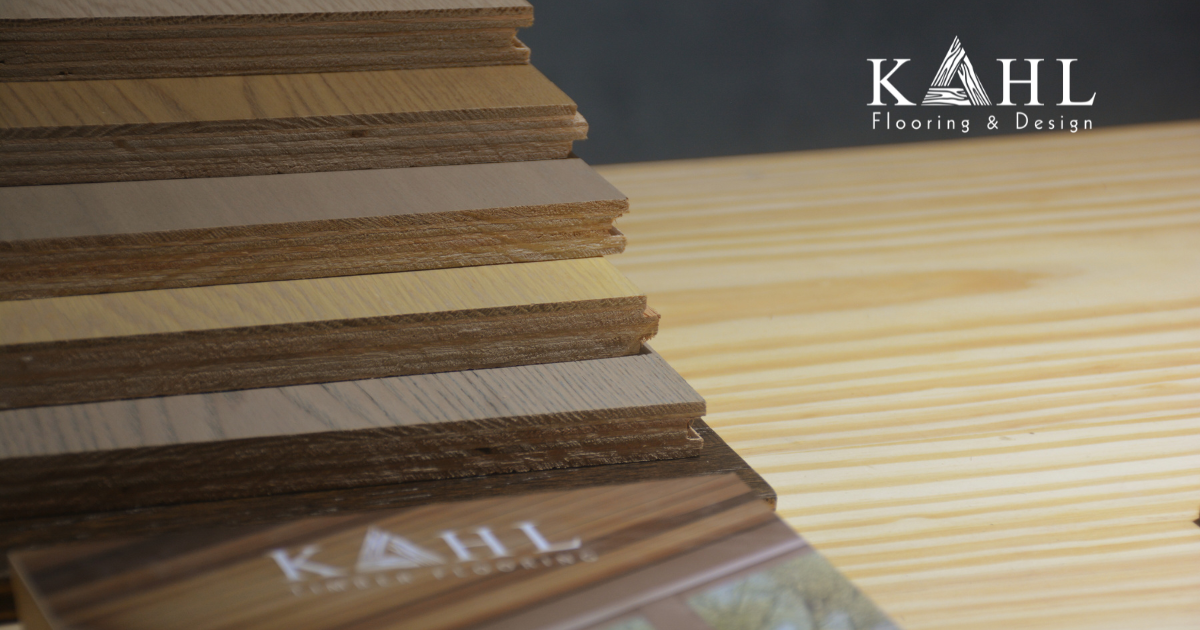
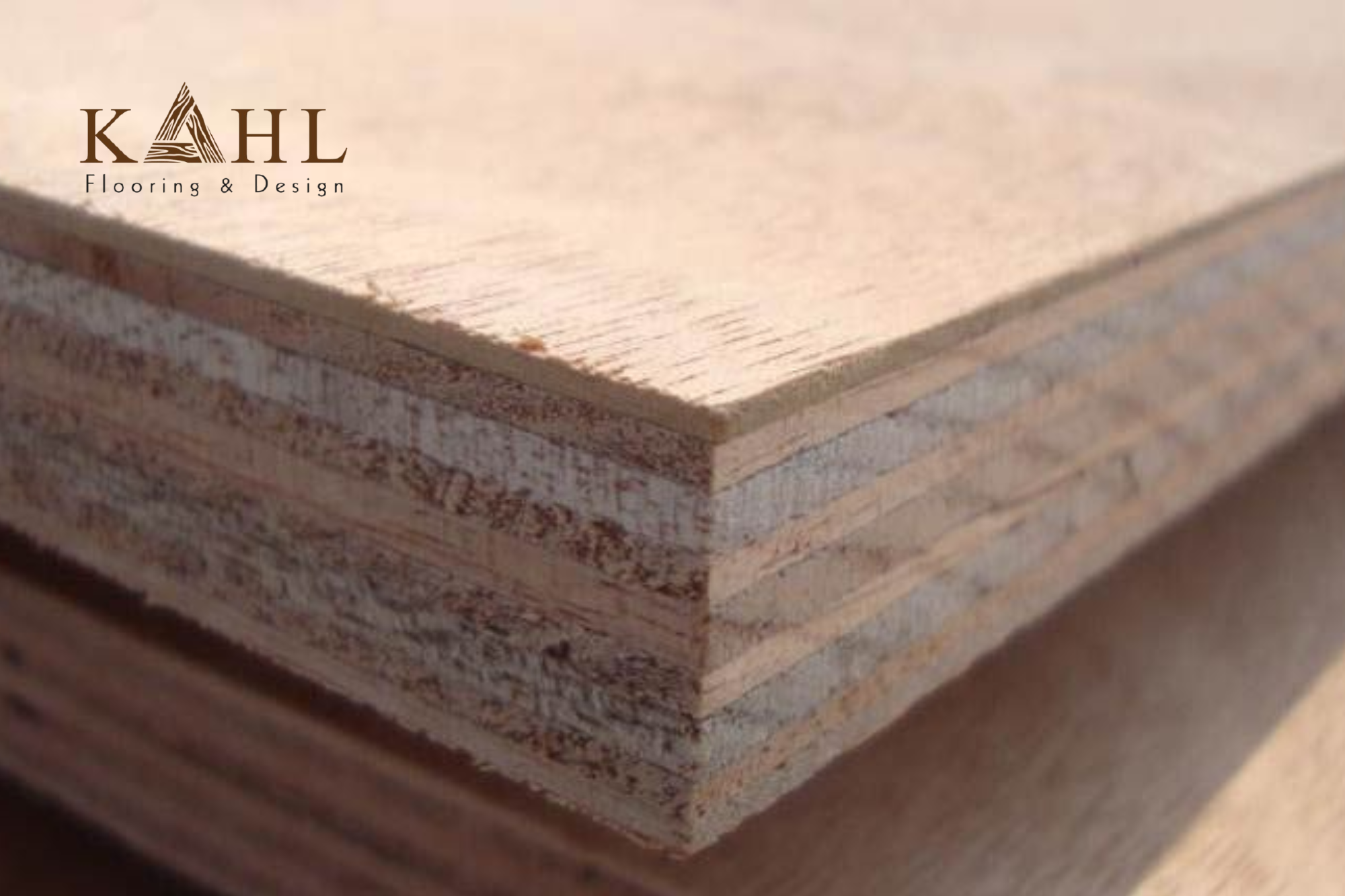
Engineered wood flooring is a type of flooring produced by bonding multiple layers of different wood materials. The top layer is real hardwood (veneer), providing an authentic natural look, while the underlying layers are typically industrial wood or plywood, which enhance durability and stability. Thanks to this multi-layer structure, engineered wood flooring is less prone to shrinking and warping compared to solid hardwood, making it well-suited for humid climates like Vietnam.
Detailed structure of engineered wood flooring
Engineered wood flooring typically consists of three main components:
-
Top layer: A thin layer of natural hardwood, about 2–6 mm thick, coated with UV-cured lacquer or natural oil for protection and gloss. This layer defines the aesthetics, offering beautiful wood grains and a genuine feel.
-
Core layer: Usually made of HDF, plywood, or finger-jointed natural wood. It provides strength, limits warping and shrinking, and enhances durability.
-
Bottom layer: A balancing layer that stabilizes the structure, resists moisture from the subfloor, and prolongs the product’s lifespan.
Key advantages of engineered wood flooring
-
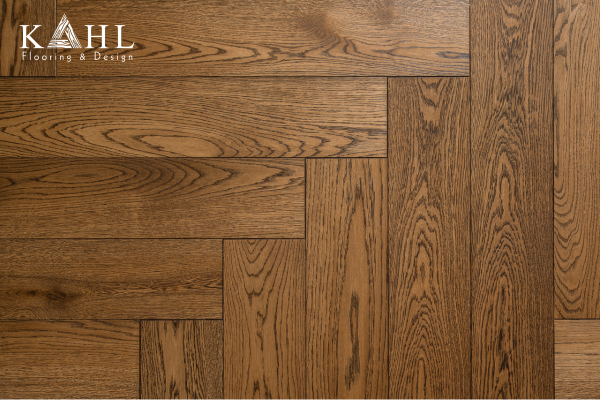
Natural beauty: Real wood surface maintains authentic color and grain patterns.
-
High stability: Less affected by humidity and temperature changes.
-
Easy installation: Can be installed with click-lock systems or adhesive.
-
Variety of designs: Available in multiple grains, colors, matte or glossy finishes.
-
Eco-friendly: Uses less natural wood and optimizes resources.
Engineered wood flooring compared to other types
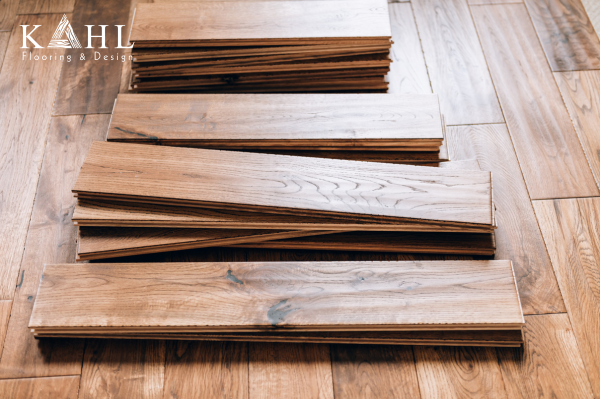
Compared to solid hardwood, engineered wood flooring is more stable, less prone to expansion and contraction, and more affordable. Compared to laminate flooring, it offers better aesthetics and durability but comes at a higher cost. This makes engineered wood flooring an ideal balance between beauty and economic value.
Trends in engineered wood flooring
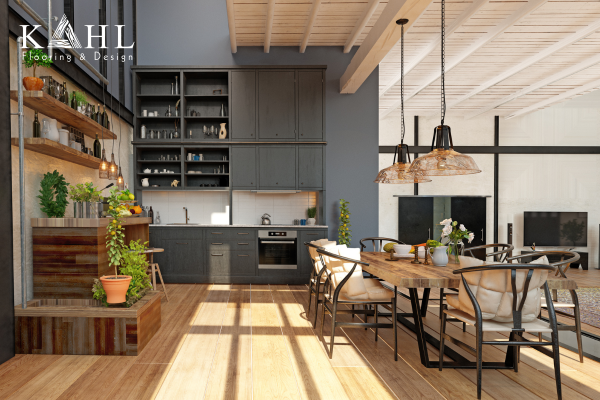
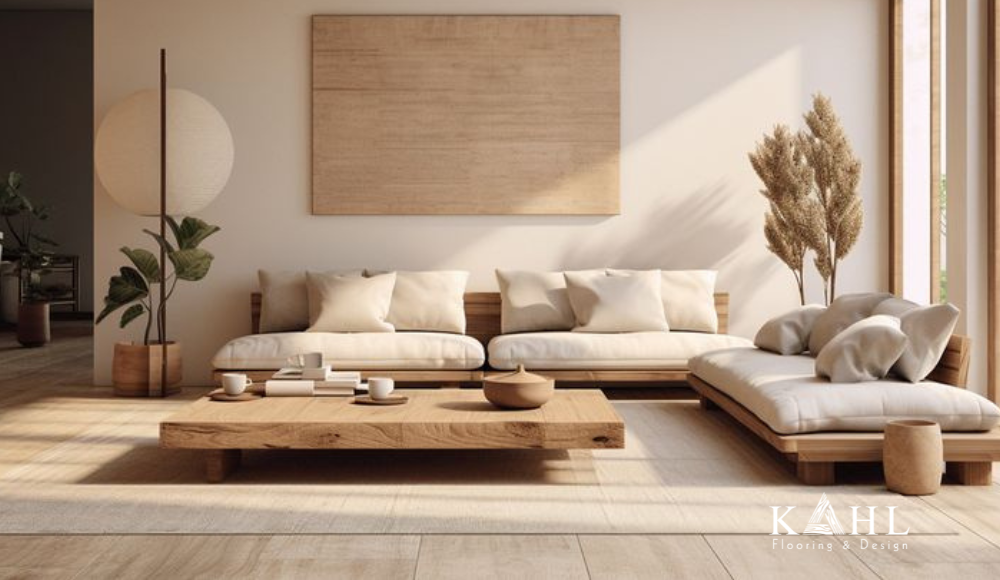
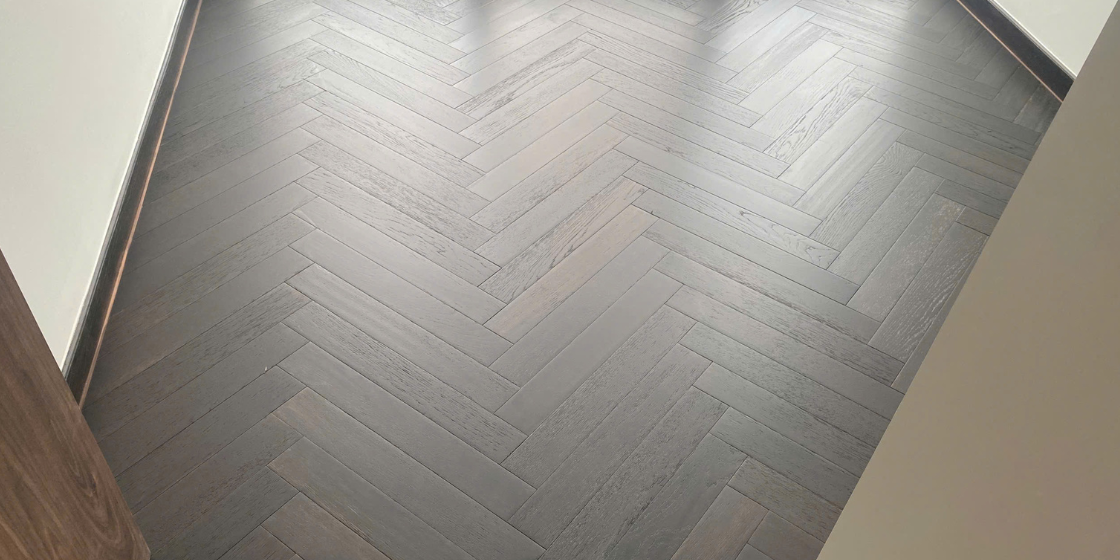
Today, engineered wood flooring is widely used in luxury homes, offices, hotels, and resorts thanks to its durability and aesthetics. Design trends such as patterned flooring, herringbone, and chevron styles are gaining popularity. In fact, the search volume for “what is engineered wood flooring” has been increasing, indicating strong customer interest in this product line.
How to maintain and care for engineered wood flooring
-
Clean with a soft cloth and avoid standing water.
-
Do not drag furniture across the floor.
-
Use doormats and felt pads under chairs.
-
Polish periodically to maintain shine and freshness.
Why choose engineered wood flooring?
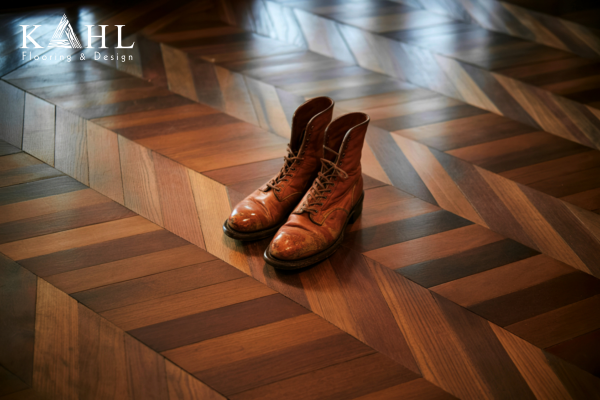
- Suitable for tropical climates.
- High aesthetic value, enhances living spaces.
- Long-lasting durability and lifespan.
- Cost-effective investment.
Website: Home – KAHL
Fanpage: Facebook sàn gỗ KAHL
Zalo OA: Sàn gỗ kỹ thuật KAHL